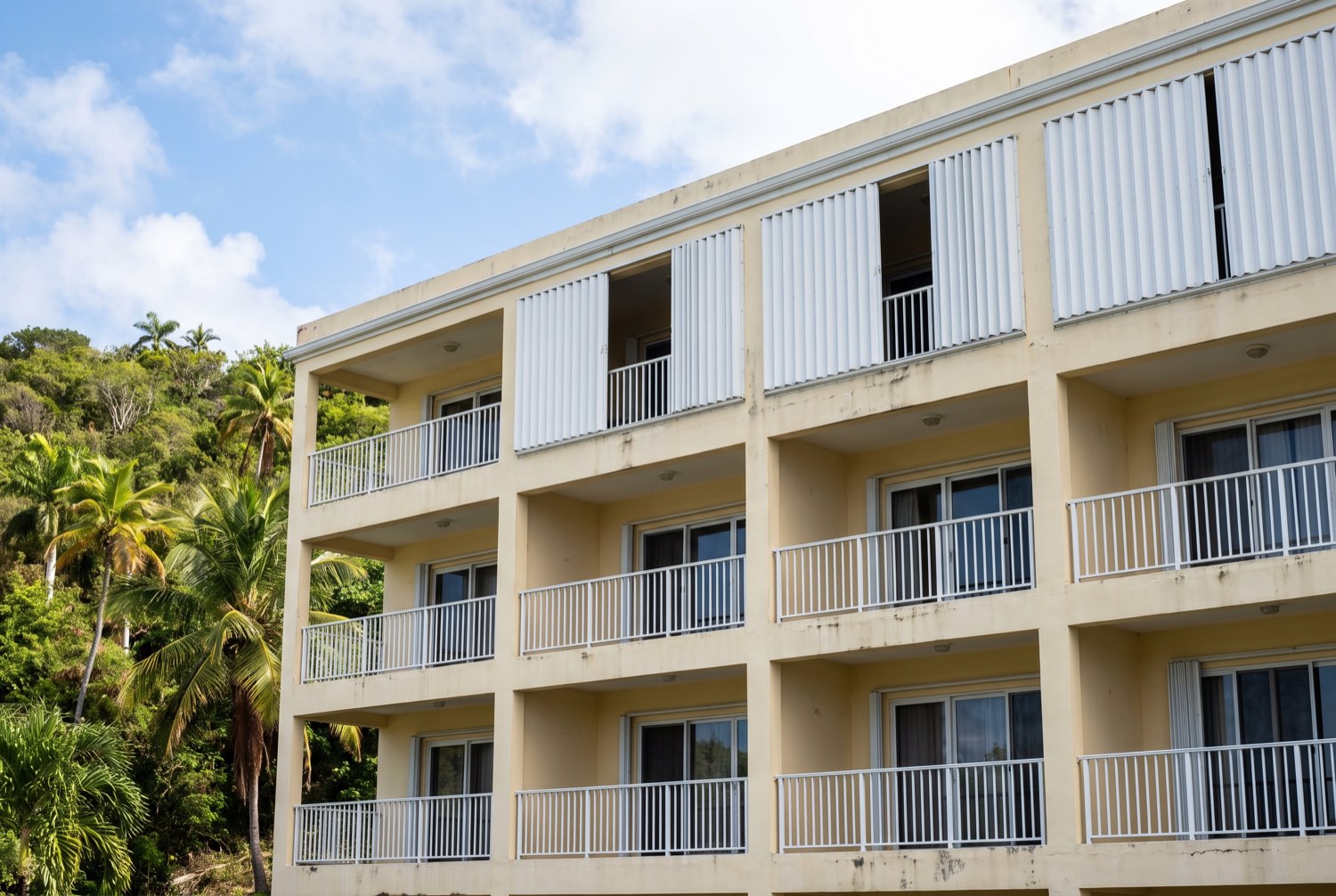
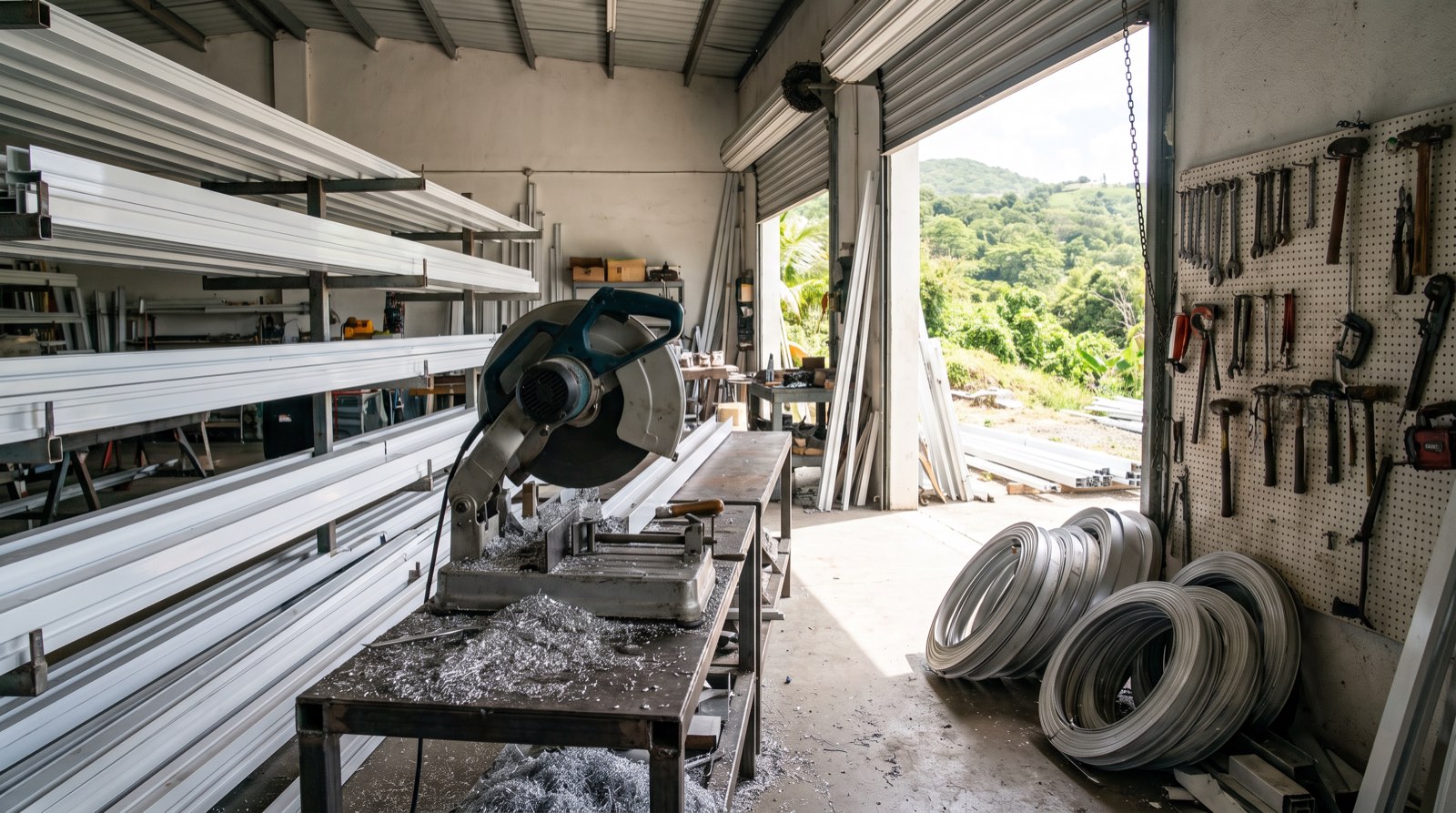
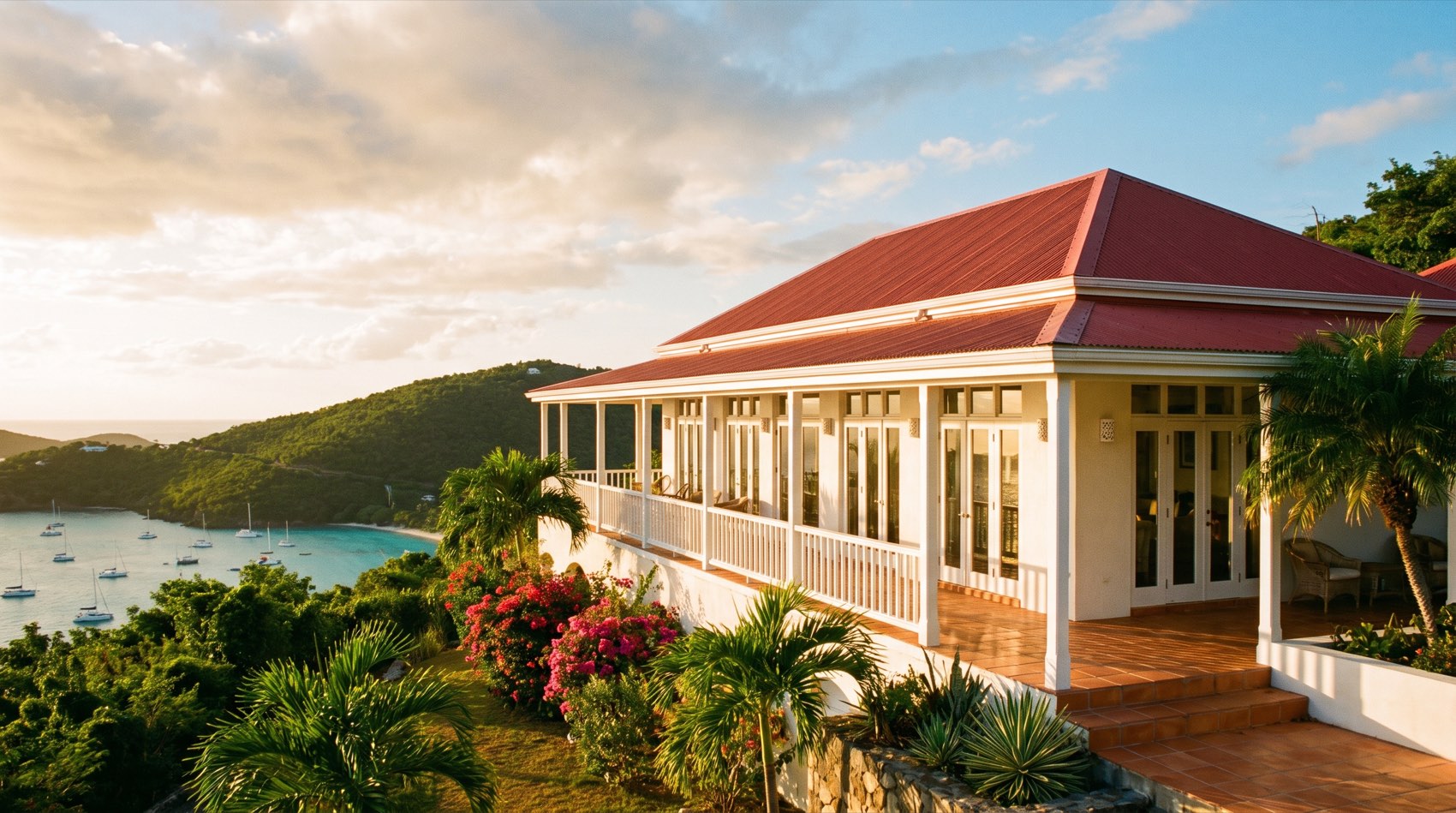
A three-bedroom above the bay and a forty-opening condominium get the same aluminium, the same anchors and the same approvals. What changes is the paperwork and how the work is scheduled around the people using the building.
Most residential jobs are eight to twenty openings and one decision-maker who wants to understand what they are buying before they buy it.
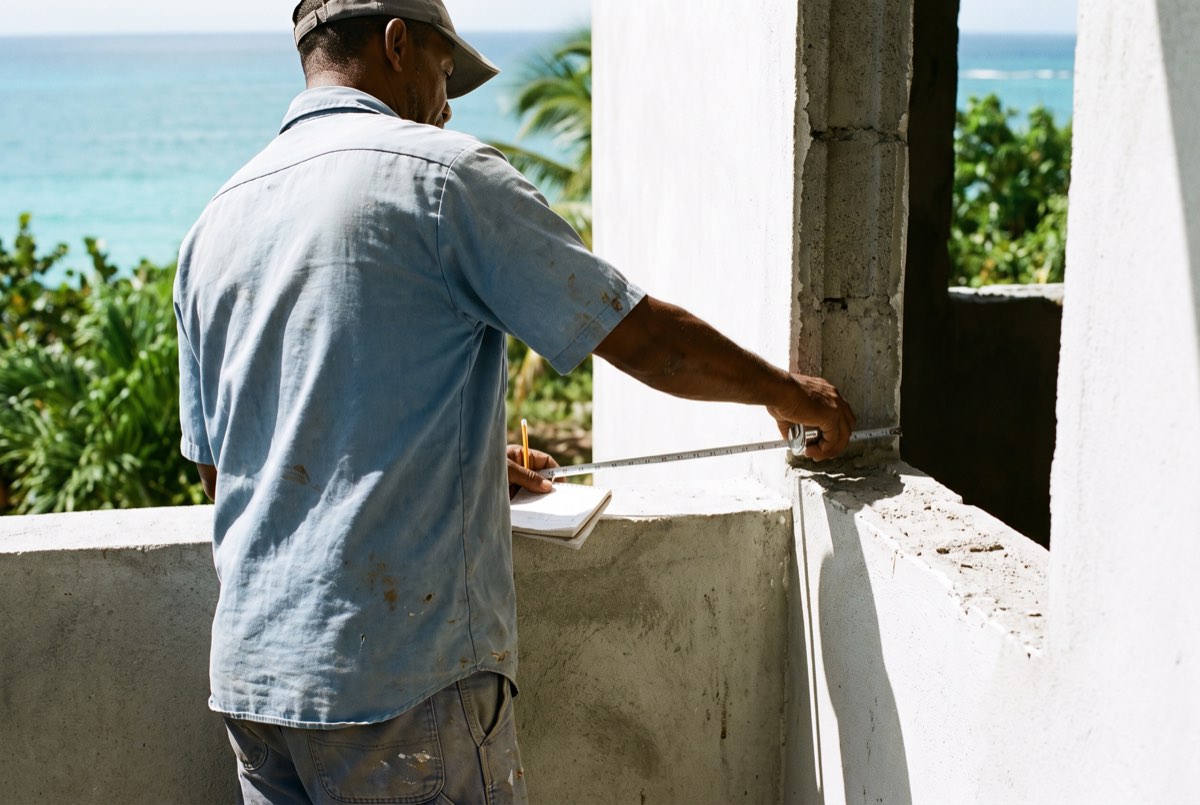
It starts with the measure
We walk the property with you, measure every opening, and note what is behind each one. Then we tell you which system belongs where — including the openings where we would spend less, not more.
You get a price per opening
The quote lists every opening with its size, system, finish and price. If the whole property is more than you want to spend this year, that format lets you draw a line through part of it and still have a job that makes sense.
Handover means you operate them
Nobody leaves until you have opened and closed every shutter yourself and know where the manual override is. Learning unfamiliar hardware for the first time with a storm inbound is exactly the failure we are trying to design out.
Every quote starts with somebody standing in front of the opening with a tape.
A lot of property here is owned by people who are not standing in it — deciding on a five-figure job for a building they will not see again until December, usually through a caretaker doing them a favour.
So we document instead of describe. The quote arrives with photographs of each opening, numbered to match the schedule. During the install you get progress photographs, and at the end a walkthrough video showing each shutter being closed and opened. If there is a caretaker on site, we coordinate access with them and keep you copied.
Commercial work is priced by the building and won on paperwork. The engineering is identical; what a board or an owner needs is a document that survives comparison and a schedule that does not shut the business down.
Bids built to be compared
You get a per-opening schedule — every opening numbered, sized, keyed to an elevation, with its system and line price. That format exists so a board can lay three bids side by side and see where they actually differ, instead of comparing three lump sums.
Approvals up front
Product approval documentation comes with the bid, not after the award. If your permit office or engineer wants the acceptance paperwork before a decision, it is already in the package.
Phased around occupancy
Hotels keep renting rooms and restaurants keep serving. We sequence by floor, wing or unit block, and work the hours the building can absorb. Most clients then keep an annual service on contract so the pre-season check happens before June rather than during it.
Multi-unit work is repetitive by design — one detail, resolved once, executed forty times.
Yes, and for a large association it is often the only way the budget works. We will propose the phasing — windward elevations and large glass first. The one thing to understand is that partial protection is genuinely partial: a single opening that fails pressurises the building and the roof pays for it.
We are comparing three bids. What should we look at?
Whether each bid is keyed to a per-opening schedule or is a lump sum with an opening count. Lump sums hide scope differences, and that is where change orders come from later. Also check that approval documentation is included rather than promised, and that anchoring method is stated per substrate.
Do you work with property managers rather than owners?
Constantly, and it is usually smoother. The manager holds access and scheduling, the owner holds the decision, and we keep both on the same thread rather than making the manager relay technical questions.
Can a hotel stay open during the install?
Yes. We sequence by floor or wing so rooms come out of service in blocks you control, and we work the hours the property can absorb. Tell us the occupancy pattern and we build the schedule around it.
I am off-island. Can this happen without me there?
Yes, and a good share of our residential work is exactly this. Numbered photographs of every opening with the quote, progress photographs during, and a walkthrough video at completion. We coordinate access with your caretaker and keep you copied on all of it.
Let’s measure your openings
One house or two hundred units — tell us the island and roughly what we are looking at.